


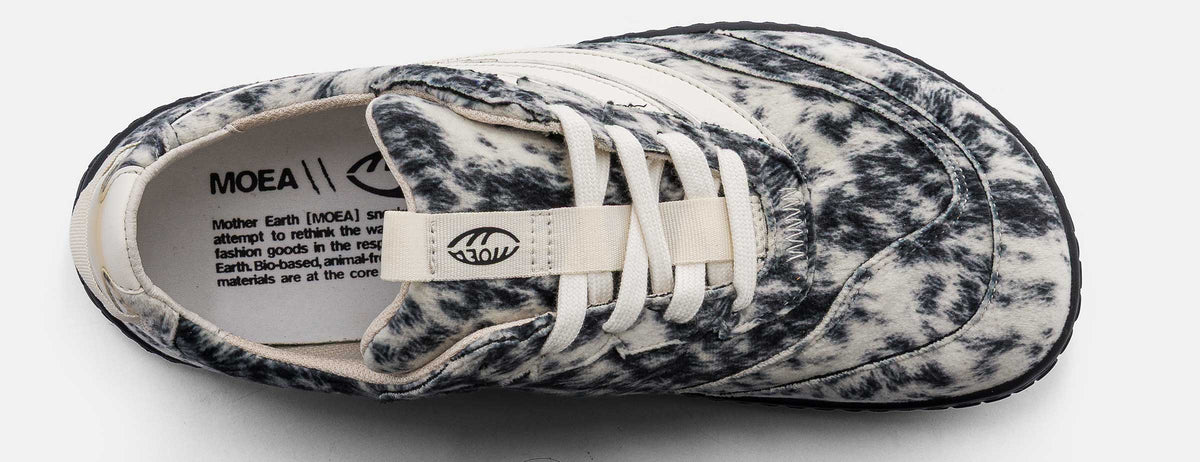
A barefoot shoe lets your foot do the work: no raised heel, a thin sole that bends, and enough room for your toes to spread. It suits anyone who wants a more natural way of walking and is willing to give it time. It isn't for everyone. Not straight away, at least.
What is a barefoot shoe?
The idea isn't to walk without shoes. It's to wear a shoe that comes as close to it as possible. A true barefoot shoe ticks four boxes.
Zero drop. Heel and forefoot sit at the same height. The drop is the difference between the two. Most sneakers have one.
A thin sole. You feel the ground. No thick cushioning, no moulded arch.
A flexible sole. It folds in half and twists. The foot moves, the shoe follows.
A wide toe box. The shape follows the foot, not a point. Toes spread out instead of being squeezed together.
| Classic sneaker | Barefoot shoe | |
|---|---|---|
| Heel vs forefoot height | Higher heel (drop) | Same height (zero drop) |
| Sole | Thick, cushioned | Thin, you feel the ground |
| Flexibility | Stiff, guides your step | Folds and twists |
| Toe box | Tapered | Wide, foot-shaped |
Zero drop is the most misunderstood of the four. A slightly raised heel tips the body forward, even by a few millimetres. Flat, the weight spreads across the whole foot.
Plenty of so-called minimalist shoes tick only one or two boxes. A thin sole with a pointed toe isn't barefoot. Neither is a wide shape on a raised heel.
Why is barefoot suddenly everywhere?
Because it left the trail. For years it belonged to running and hiking, with a look to match: technical, functional. Now it's on the street. You see more and more of it. We hear about it too: since June, customers have been writing to us in French, German and English with the same question. "Which of your styles are barefoot?"
This wave started in Germany. There, the Barfußschuh has become a category of its own, with its own brands, like Leguano or Wildling. No coincidence. This is the country that turned an orthopaedic sandal, the Birkenstock, into a fashion object. Same trajectory here: a shoe designed for the foot first, that ends up imposing its silhouette.
The rest of Europe is following. Barefoot no longer needs to look like equipment.
What changes when you walk?
First, you feel the ground. Cobblestones, a slope, a step. It's the first thing people describe when they make the switch.
Then the work moves. Without thick cushioning or a moulded arch, the shoe no longer carries the foot: the foot and calf do more of it.
What we won't say: that barefoot fixes your back, corrects your posture or cures anything. Long-term health benefits haven't been demonstrated, and some running studies mostly show load shifting towards the foot and ankle, not disappearing (a physiotherapist's summary on Campus, in French). It's a different way of walking. Not a treatment.
Who is it for, and who isn't it for?
For you if you like feeling the ground, if your toes feel cramped in tapered sneakers, if you walk a lot in the city and want a shoe that follows your foot instead of steering it. Or if you've already gone barefoot and want a pair that doesn't look like a trail shoe.
Not straight away if you've only ever worn heavily cushioned shoes: you'll need a transition. Not without medical advice if you wear orthotics, have a marked foot deformity, pain in the foot, knee or back, or a recent injury. A podiatrist or physiotherapist can tell you whether it's a good idea for you.
Our advice
if you're unsure, wear them alongside your usual pairs at first, not instead of them.
How do you switch to barefoot without overdoing it?
Gradually. Your feet and calves are used to being carried. Give them time to take the work back.
Start with a few hours a day, on short trips and even ground. Wear them longer once you feel nothing the next day. Sore calves mean it's time to ease off for a few days. Pain that lingers, in the foot, the Achilles tendon or the knee, is a signal to slow down. There's no universal schedule: listen to your feet, not a calendar.
For running, the rule is stricter still: a few minutes at the end of a run, then one more minute each time, never more.


Can barefoot shoes look good in the city?
That's exactly the question we asked ourselves. Barefoot had the right idea and rarely the right silhouette. We drew ours in Paris.
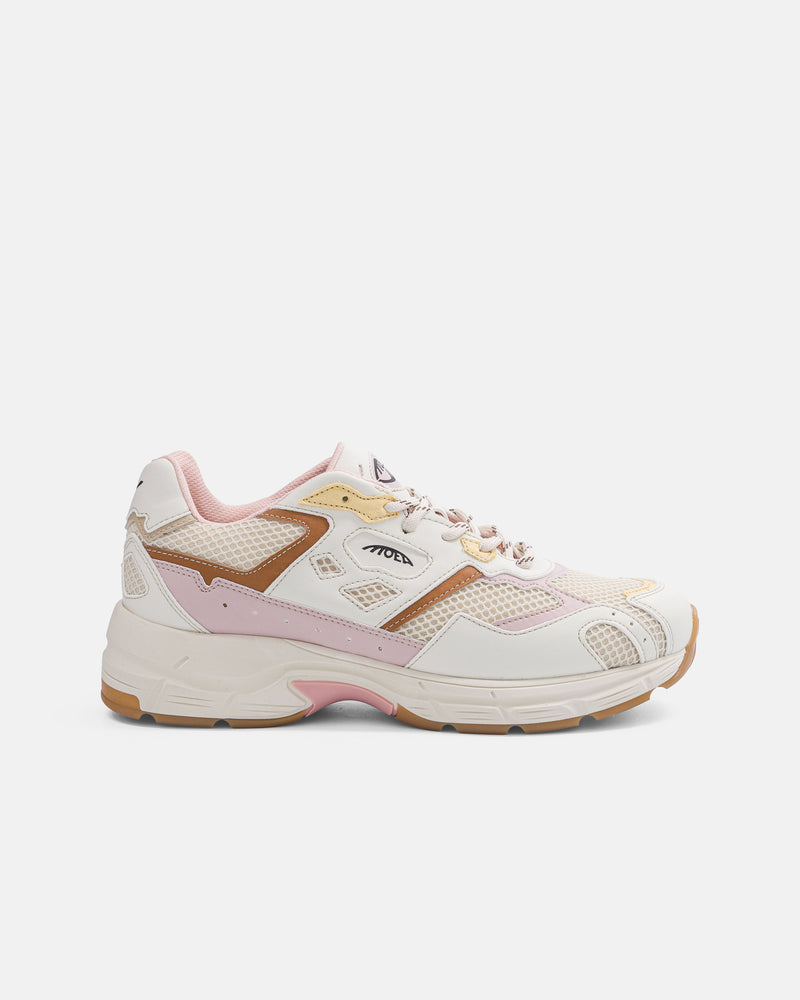
It's called TOAD. Zero drop. A 3.5 mm outsole, so flexible it folds and twists. A removable insole. A wide shape, built around the foot. A clean line, nothing technical about it, made for jeans, wide trousers, an unstructured suit.
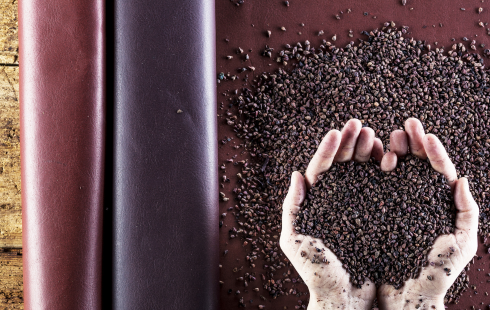
It's made in Porto, Portugal. Craft, Full Black, Green & Cream and Dalma are CornSkin, made from corn residue. White & Black pairs CornSkin with SeaweedSkin, made from algae. To be precise: these materials aren't 100% plant-based. TOAD's CornSkin is 46 to 48% corn-based bio-polyurethane, 32% cotton and 20 to 22% conventional polyurethane. SeaweedSkin is 53% seaweed, 24% recycled polyamide and 23% polyurethane. Depending on the colourway, other panels join in: synthetic suede, partly recycled mesh, a bio-PU and bamboo blend, recycled cotton. Each colourway's full breakdown is on its product page. For reference, producing one square metre of CornSkin emits around 5.8 kg CO₂e, against around 60.8 kg for one square metre of animal leather (sources: supplier life cycle assessments, BIOSAI and Fairly Made).
One m² of CornSkin: around 5.8 kg CO₂e. One m² of animal leather: around 60.8 kg.
TOAD launches on 31 October, in five colourways, at €165.
What size should you take?
In barefoot, a shoe that's too short cancels everything: your toes need room to spread and move. Leave a little space in front of the big toe, without the foot sliding around.
TOAD fits true to size. Take your usual size. It comes in EU 35 to 46.
Our advice
try them on at the end of the day, when your feet are at their largest.
FAQ
Are your sneakers barefoot?
TOAD is our first barefoot model: zero drop, thin (3.5 mm outsole) and flexible sole, wide toe box. Our other sneakers have a classic sole and are not barefoot.
Is a wide toe box the same as barefoot?
No. A wide toe box is one of the four criteria. Without zero drop and a thin, flexible sole, a wide shoe is still a classic shoe.
Is there plastic in TOAD?
Yes, partly. CornSkin contains 20 to 22% conventional polyurethane on top of the corn-based bio-polyurethane, and some colourways have synthetic panels. The insole is polyurethane and polyester, the lining mostly recycled polyester. Each colourway's full breakdown is on its product page.
What sizes are available?
EU 35 to 46. TOAD fits true to size: take your usual size.
Can you run in barefoot shoes?
Yes, but the transition has to be very gradual, over several months.